

Essential Catering Equipment for Starting Out
What you actually need versus what's nice to have. We've looked at budgets, space constraints, and what makes a real difference.
Guide to thickness grades, finishes, and installation considerations. We've covered what actually makes a difference when setting up your prep area.
Editorial Team
Written by the silvbridge Editorial Team, focused on practical guidance for commercial kitchen equipment and wholesale sourcing.
Your prep surface takes a beating. Knives, hot pans, acidic ingredients, constant cleaning — it's relentless. You'll notice within weeks if you've chosen the wrong material. Stainless steel handles all of it, but not every stainless steel worktop is created equal. The difference between a solid choice and one that'll frustrate you comes down to thickness, grade, and finish.
We're not going to oversell you. We've seen what works in real kitchens, what holds up under actual use, and what disappoints. Here's what you actually need to know.

Worktop thickness comes down to durability and how the surface performs under weight. Most commercial kitchens use 1.2mm or 1.5mm gauge stainless steel. That's thicker than it sounds — it's genuinely solid.
Here's the thing: thinner worktops (under 1mm) feel flimsy. You'll notice the flex when you're working, and they dent more easily. A 1.2mm surface handles regular knife work, heavy pots, and the inevitable dropped equipment. Go with 1.5mm and you're getting into industrial-grade territory — it'll outlast most other kitchen components.

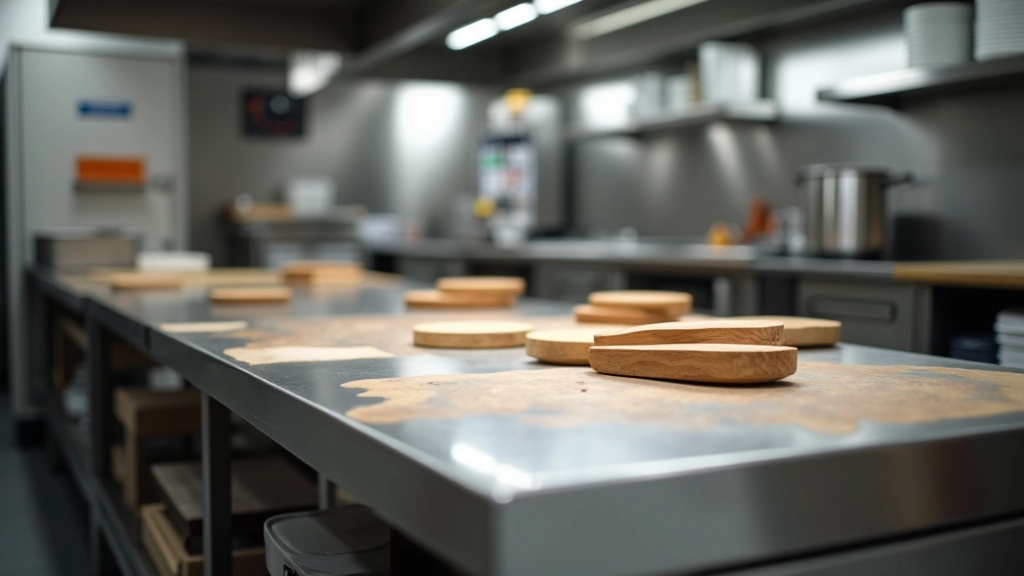
You'll hear about 304 and 316 stainless steel. The numbers matter, but they're not as mysterious as they sound. 304 is your standard workhorse — it's resistant to rust and corrosion, handles most kitchen acids, and it's the most common choice. 316 includes molybdenum, which makes it more resistant to salt and harsh chemicals. If you're working near the coast or using aggressive cleaning products, 316 is worth the investment.
For most kitchen setups, 304 stainless steel at 1.2mm thickness is genuinely sufficient. You don't need to overthink this. It'll last years with proper care, and it won't cost you a fortune.
Pro tip: Check the material certificate when you order. It'll confirm the grade and thickness. Don't rely on verbal promises — get it in writing.
The finish affects both appearance and how much maintenance you'll actually do. Polished stainless steel looks premium — it's shiny and reflective. But it shows fingerprints and water spots constantly. You'll be cleaning it multiple times daily if appearance matters to you.
Brushed finishes are the practical choice for working kitchens. They hide smudges, dust, and minor scratches. The surface still looks professional, but you're not wiping it down every thirty seconds. Brushed finishes come in different directions — some run lengthwise, others are more random. Pick whichever matches your kitchen's style.
Dull or satin finishes are less common but they're also less demanding. They fall between polished and brushed in terms of maintenance.
How you install a worktop matters as much as the material itself. Proper support prevents sagging and warping over time. You'll need a solid base — welded stainless steel legs or a cabinet structure underneath. Don't skimp on this. A worktop that flexes under weight will develop stress points, and that's where problems start.
Support spacing is important too. Supports should be no more than 1.2 meters apart. If you're spanning a longer distance, you'll need additional bracing. Welded joints should be ground smooth and finished to match the rest of the surface. Visible rough welds will catch food particles and bacteria.
Consider drainage when you're planning layout. Worktops should have a slight slope toward drainage areas — not dramatic, just enough that water flows naturally. Pooling water leads to staining and potential corrosion over time.
Stainless steel isn't maintenance-free. But it's not difficult either. Regular cleaning with mild soap and warm water keeps it looking good. You don't need specialized products — avoid harsh abrasives and bleach-based cleaners, they'll damage the surface.
Wipe down with a damp cloth and mild detergent. Dry with a clean cloth to prevent water spots. That's it.
Use a stainless steel cleaner following the grain direction. It removes fingerprints and restores shine. Most products are inexpensive.
Steel wool, scouring pads, bleach, and chlorine-based cleaners damage stainless steel. They'll leave scratches and potentially cause pitting.
Start with the basics: 304 stainless steel, 1.2mm minimum thickness, brushed finish. That combination handles real kitchen work without costing you a fortune. It'll last years if you're not expecting perfection — minor scratches and water marks are normal and they don't affect performance.
Consider your actual workflow. High-volume prep kitchens might benefit from 1.5mm thickness. Coastal locations or aggressive cleaning protocols point toward 316 grade. Don't buy more than you need, but don't cheap out on basics like support structure and installation.
Get quotes from multiple suppliers. Ask about warranty, delivery, and installation services. Most importantly, verify material specifications before you commit. A quality worktop is an investment that pays off through reliability and consistent performance.
This guide provides general information about stainless steel worktops and is intended for educational purposes. Specifications, availability, and pricing vary by supplier and location. Always verify material grades, thickness, and installation requirements with your equipment supplier before purchase. Installation should be performed by qualified professionals following local building codes and regulations. Individual circumstances and requirements may differ — consult with specialists for decisions specific to your kitchen setup.
What you actually need versus what's nice to have. We've looked at budgets, space constraints, and what makes a real difference.

Proper maintenance extends equipment life and keeps everything looking professional. Here's what actually works.
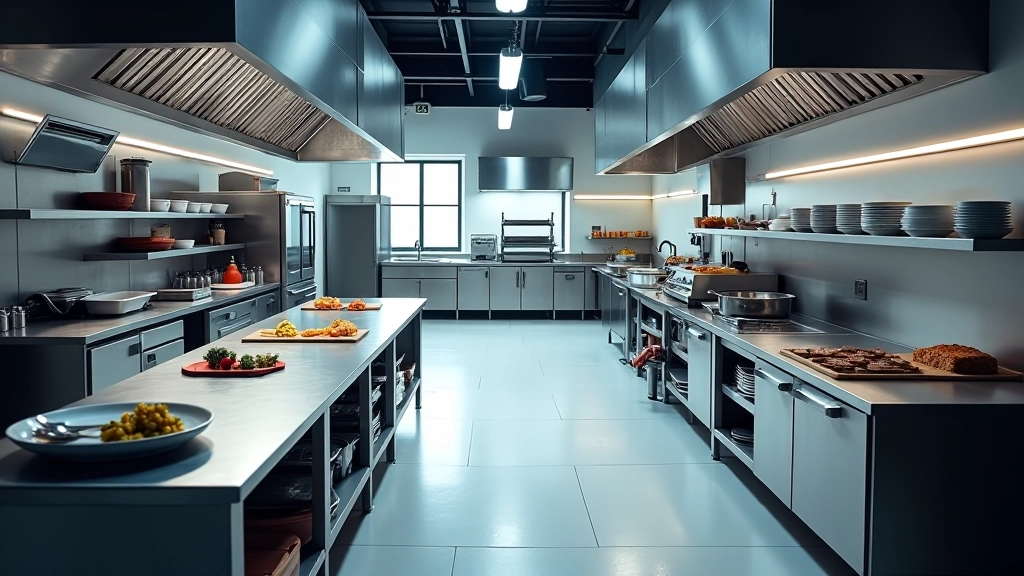
How to arrange equipment for smooth operations. We've looked at traffic patterns, safety, and practical workflow.